Modern Telematics and Safety Engineering from Industrial Sites to Maritime Vessels
Technical field workers and maritime crews rely on identical engineering principles, where realtime telematics and structured maintenance protocols ensure operational safety.
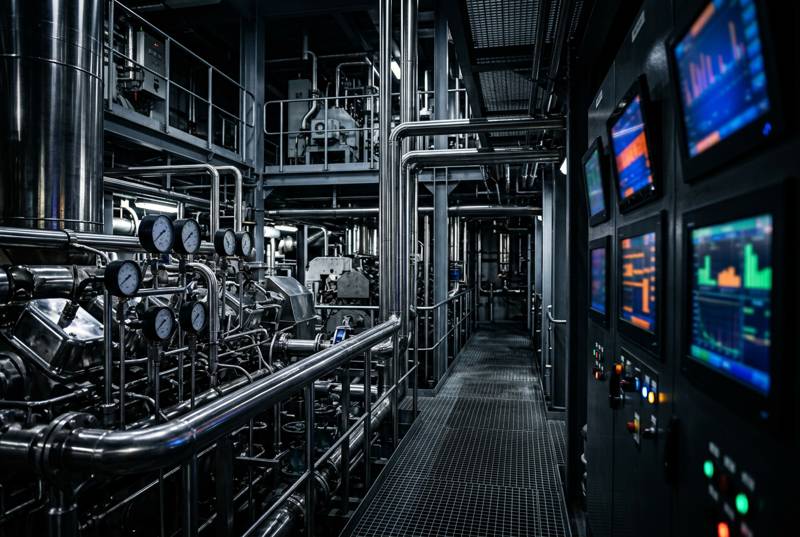
Technical Skills and Telematics in Industrial Workplaces
Modern industrial environments rely on specialized technicians, field mechanics, and equipment operators who maintain heavy machinery under demanding operational conditions. Across construction sites, manufacturing facilities, mining operations, and energy plants, routine preventative maintenance demands precise measurement of engine temperatures, hydraulic pressures, structural vibrations, and fluid quality. Portable diagnostic devices and sensor monitoring tools assist field workers in identifying minor operational anomalies long before costly mechanical failures occur. Rigorous safety standards in heavy industry increasingly mandate continuous recording of telemetry data to verify structural compliance and prevent workplace accidents. When skilled workers receive direct access to structured technical training resources alongside real-time engine metrics, unexpected operational downtime drops significantly while workplace safety increases across all operational shifts.
Maritime Engine Safety and Diagnostic Systems
The technological principles applied in land-based industrial machinery directly parallel those utilized in modern maritime vessel operations. Marine propulsion systems operating in coastal and offshore environments must contend with continuous saltwater exposure, shifting mechanical loads, wave resistance, and thermal stress. Automated vessel monitoring systems continuously track engine throttle response, fuel consumption, cooling water circulation, and bilge pump functionality to preserve vessel stability and operational safety. Vessel captains, harbor pilots, and marine engineers depend on these continuous diagnostic feeds to spot pressure drops or cooling failures early while navigating crowded harbor channels or coastal routes. Practical technical education enables maritime crews to interpret control alerts accurately and take immediate corrective measures, protecting crew members, passengers, and vessels.
Vessel Maintenance and Fleet Standards
Standardized inspection protocols ensure that passenger watercraft, service tenders, and charter vessels remain safe and compliant under changing weather conditions. Rigorous checks covering hull integrity, emergency safety gear, electrical systems, and mechanical propulsion follow safety guidelines recognized across the global maritime sector. Fleet managers enforce systematic maintenance schedules to confirm that every vessel remains seaworthy before leaving port.
In active maritime hubs such as Dubai, professional vessel operators maintain continuous technical oversight to ensure passenger safety and operational reliability across their fleets. For readers looking to examine local vessel options and charter arrangements, Marina Shamal presents current fleet details and affordable rental deals at a glance.
Analyzing technical diagnostic practices across industrial sites and maritime operations demonstrates the universal importance of practical skill development. Whether maintaining high-capacity diesel generators in a city facility or monitoring vessel engines along a coastal route, qualified workers using accurate diagnostic technology form the foundation of workplace safety and operational efficiency.
Related
- Testimonials Read testimonials from workers using the Smart Labour app.
- Latest Articles Articles and insights on empowering blue-collar workers and managing business operations.